
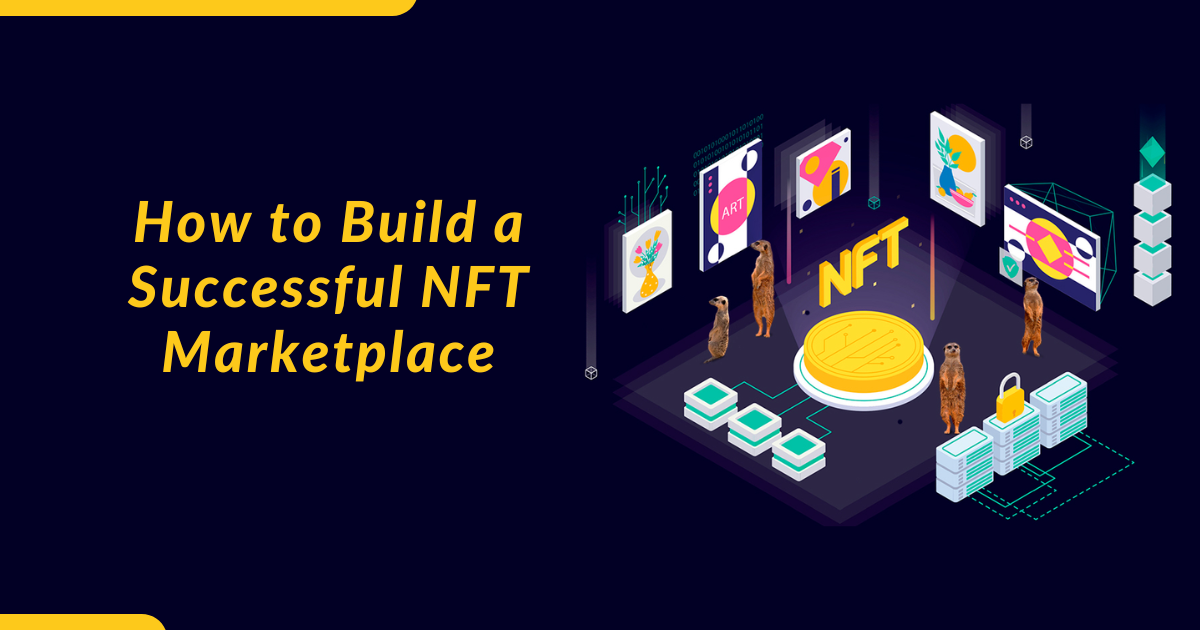
How to Build a Successful NFT Marketplace: A Step-by-Step Guide
If you’ve ever wondered how to build a successful NFT marketplace, you’re in the right place.
NFTs (Non-Fungible Tokens) have exploded in popularity, and building your own NFT marketplace can be one of the smartest business moves in 2025.
In this comprehensive guide, we’ll teach you how to build a successful NFT marketplace from choosing the right blockchain to scaling your platform profitably.
Why Learning How to Build a Successful NFT Marketplace is a Game-Changer
NFTs are reshaping digital ownership across industries. According to Statista (external DoFollow link), the NFT market size exceeded $40 billion in 2021. By mastering how to build a successful NFT marketplace, you can tap into the future of digital assets.
Step 1: Choose Your Niche Before You Build a Successful NFT Marketplace
Choosing a focused niche is crucial when you plan how to build a successful NFT marketplace. Whether it’s digital art, gaming, music, or real estate NFTs — specialization attracts loyal users.
Pro Tip: Specialization = Stronger brand identity and loyal users.
Contact about Web3 application development
Step 2: Select the Right Blockchain
Choosing the right blockchain is critical. Ethereum is the most popular, but Solana, Polygon, and Binance Smart Chain are emerging alternatives offering faster and cheaper transactions.
Step 3: Build a Strong User Interface (UI) and User Experience (UX)
A seamless user experience builds trust. Hire skilled designers who understand Web3 platforms. Focus on:
-
Easy wallet integration (e.g., MetaMask)
-
Smooth navigation
-
Mobile responsiveness
Step 4: Integrate Digital Wallets
NFT transactions rely on wallets like MetaMask, Coinbase Wallet, or WalletConnect. Ensure your platform integrates multiple wallet options for user flexibility.
Step 5: Develop Smart Contracts
Smart contracts power NFT platforms. They automate transactions and ensure security. Use experienced blockchain developers to code, test, and audit your smart contracts.
Step 6: Implement Essential Features
Your marketplace must include:
-
User Profiles
-
Advanced Search Filters
-
Auction & Fixed-price Listings
-
Rating & Review Systems
-
Notification Systems
Step 7: Ensure High-Level Security
Security is non-negotiable. Protect user data, assets, and transactions with robust encryption, two-factor authentication, and continuous smart contract auditing.
Step 8: Launch Beta Version
Before full launch, release a beta version. Collect feedback, analyze user behavior, and fix bugs to ensure a flawless final product.
Step 9: Create a Marketing Strategy
Your marketplace needs visibility. Some essentials:
-
SEO Optimization
-
Social Media Marketing
-
Influencer Partnerships
-
Community Building on Discord and Telegram
(Marketing Tip: Partner with NFT artists to cross-promote!)
Step 10: Launch and Scale
Once you’ve launched, focus on scaling:
-
Introduce new features
-
Expand to multi-chain capabilities
-
Host NFT drops and exclusive collaborations
-
Gather user feedback and iterate
“Innovation distinguishes between a leader and a follower.”
— Steve Jobs Twitter
More About Building an NFT Marketplace
Common Mistakes to Avoid When Building an NFT Marketplace
Explain errors like poor UI/UX, weak smart contract security, no liquidity strategies, ignoring community building, etc.
How Much Does It Cost to Build an NFT Marketplace?
Break down development costs: smart contract creation, backend & frontend development, marketing expenses, blockchain gas fees, etc.
Best Blockchains for NFT Marketplace Development in 2025
Compare Ethereum, Solana, Polygon, Avalanche, and Flow for building NFT marketplaces.
Top Features Every Successful NFT Marketplace Must Have
Talk about must-have features like wallet integration, bidding systems, multi-chain support, social logins, royalties management, etc.
How to Market Your NFT Marketplace Successfully
Explain marketing tactics: SEO, influencer marketing, PR campaigns, airdrops, partnerships with artists and gaming projects, etc.
How to Make Your NFT Marketplace Stand Out in a Crowded Market
Offer tips on differentiation strategies: niche focus, gamification, loyalty rewards, partnerships with brands, etc.
Legal and Regulatory Considerations for NFT Marketplaces
Discuss topics like compliance with AML/KYC, intellectual property issues, user data protection, and upcoming crypto/NFT regulations.
Future Trends in NFT Marketplaces You Should Know
Cover things like AI-powered NFTs, dynamic NFTs, real-world asset tokenization (RWAs), enterprise NFT marketplaces, etc.
Ready to build your NFT marketplace? Contact Crypto Pulse Tech to get started!



Add comment