
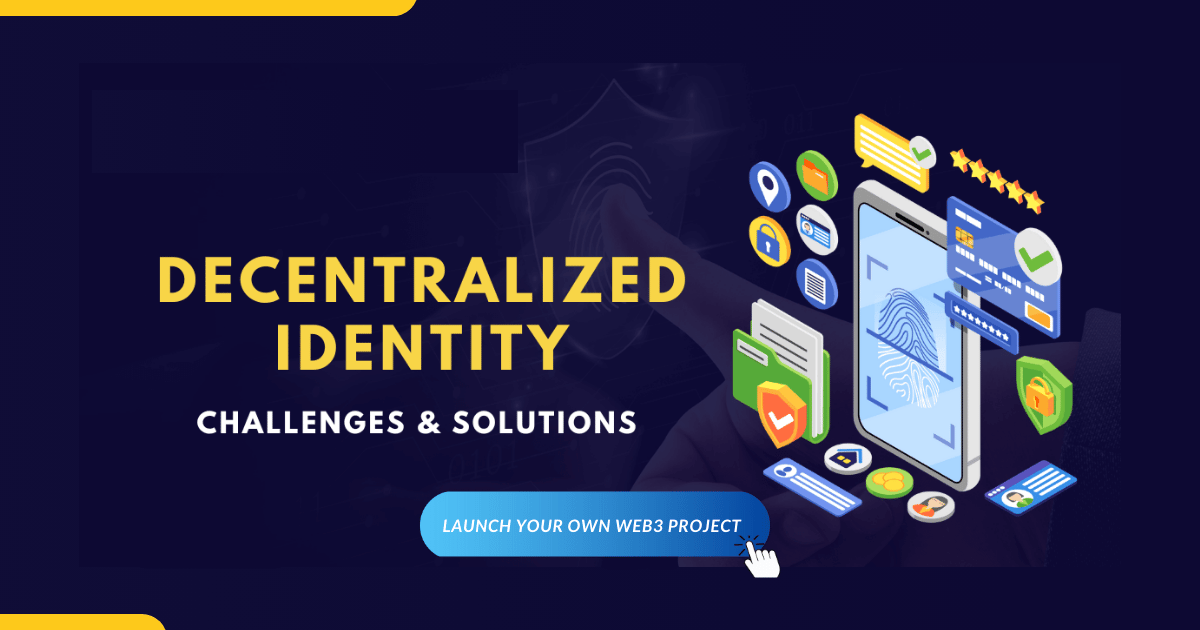
In today’s digital world, identity security has become a major concern. Traditional identity systems rely on centralized databases, making them vulnerable to data breaches and identity theft. But what if individuals could control their own digital identities without relying on third parties? This is where Decentralized Identity comes into play.
Understanding Decentralized Identity
Decentralized Identity (DID) is a blockchain-based solution that enables individuals to own and control their personal information securely. Unlike conventional identity systems, DID eliminates the need for centralized authorities, reducing the risks of data breaches and unauthorized access.
How Decentralized Identity Works
Decentralized identity is built on the principles of Self-Sovereign Identity (SSI). Here’s how it works:
-
Creation of a Unique Digital Identity: Users generate a unique decentralized identifier stored on a blockchain.
-
Ownership & Control: Only the individual can access, manage, and share their identity data.
-
Secure Authentication: No reliance on passwords or third-party authentication systems.
-
Interoperability: Works across multiple platforms without exposing sensitive information.
How Decentralized Identity Improves Security
1. Eliminates Centralized Data Breaches
Traditional systems store user data on centralized servers, making them prime targets for hackers. With DID, data is distributed across blockchain networks, making breaches nearly impossible.
2. Reduces Identity Theft
Since DID eliminates password-based authentication and relies on cryptographic signatures, identity fraud and phishing attacks become less effective.
3. Enhances Privacy & User Control
Users can choose what information to share and with whom, ensuring maximum privacy. Companies no longer store unnecessary user data, reducing their liability.
4. Increases Transparency & Trust
Blockchain technology records every transaction in a tamper-proof ledger, increasing transparency and making it easier to verify identities without third-party intervention.
Use Cases of Decentralized Identity
1. Financial Services
Banks can verify customers without collecting excessive personal data, reducing fraud risks.
2. Healthcare
Patients can securely share medical records with doctors without exposing unnecessary details.
3. Government & Voting Systems
Decentralized IDs can ensure secure and fraud-free digital voting systems.
4. Secure Online Transactions
DID enables safer logins and digital signatures, reducing online fraud.
Challenges & Future of Decentralized Identity
While decentralized identity offers numerous advantages, challenges such as regulatory acceptance, adoption by enterprises, and scalability issues still need to be addressed. However, as Web3 technology evolves, decentralized identity is expected to become a standard for secure and private digital interactions.
Final Thoughts
Decentralized Identity is revolutionizing the way we handle digital identities. By eliminating centralized control and enhancing security, it offers a promising future where individuals have full control over their data. Businesses and individuals must start exploring this technology to stay ahead in the digital age.
“Privacy is not something that I’m merely entitled to, it’s an absolute prerequisite.” — Marlon Brando
📢 Ready to integrate Web3 into your business? Contact Crypto Pulse Tech for expert guidance! 🚀






Add comment